
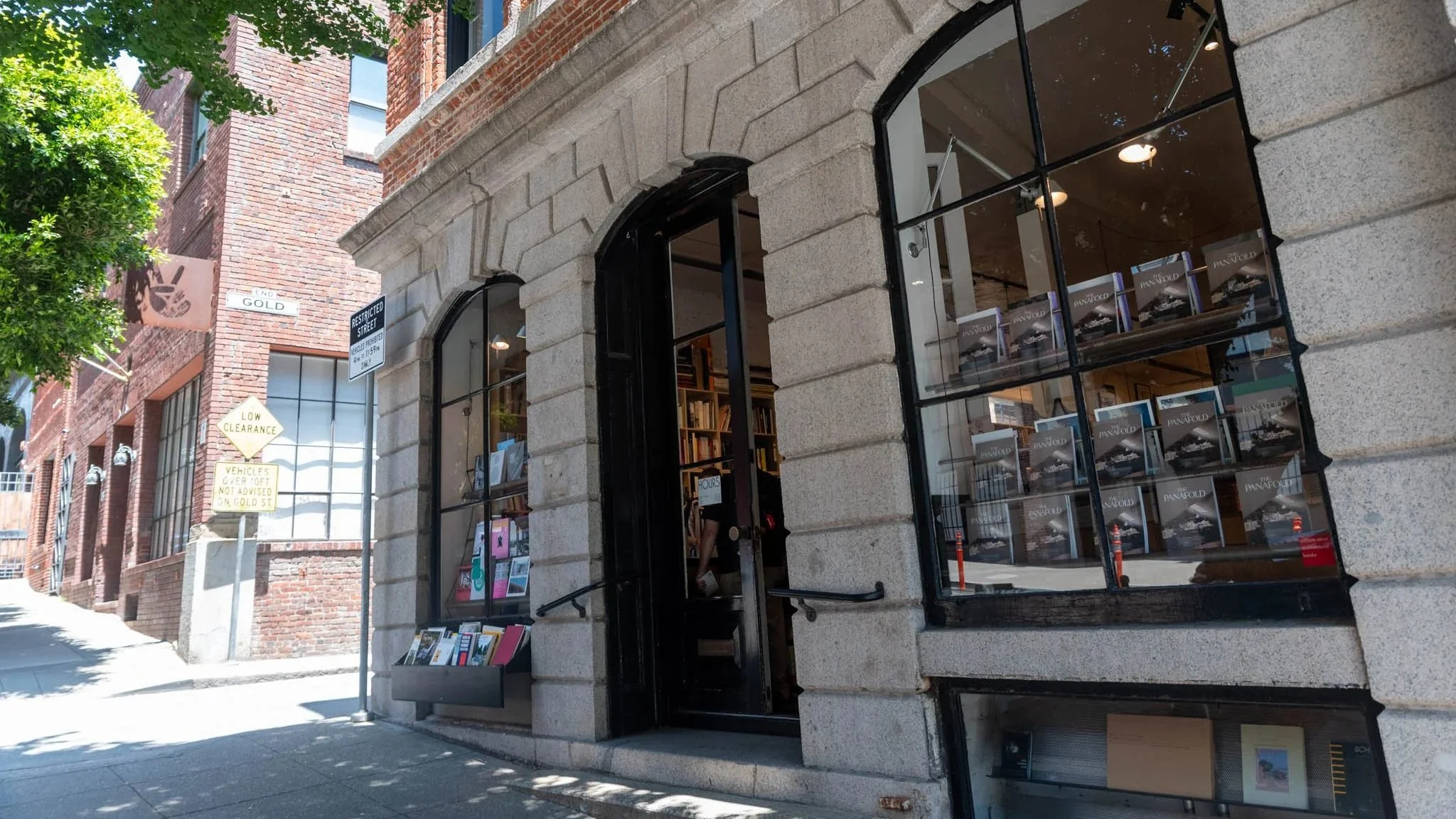
William Stout Architectural Books storefront in San Francisco's historic Jackson Square neighborhood.
During a recent trip to San Francisco, I had the chance to visit William Stout Architectural Books in the city's historic Jackson Square neighborhood. Founded in 1974 by architect and rare book collector William Stout, the independent bookstore has been a destination for architects, designers, and artists for over 50 years.
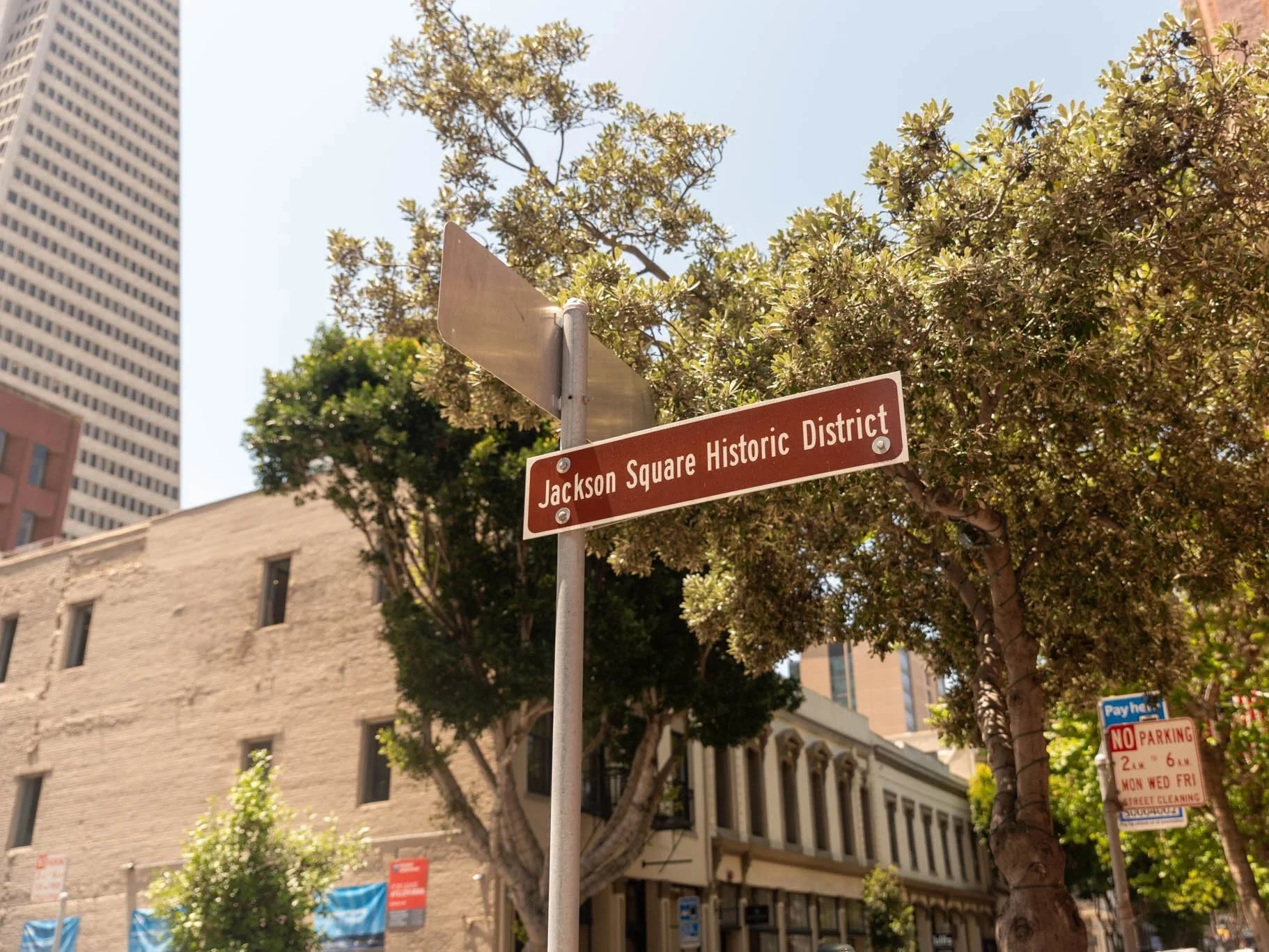
Established in the 1850s, Jackson Square is one of San Francisco's oldest neighborhoods and famously survived the devastating 1906 earthquake and fires.
The shop's roots trace back to Bill Stout's days as a practicing architect traveling through Europe, where he would hunt down scarce architectural books. Before long, friends and fellow designers began asking for copies for themselves, sparking the creation of the bookstore.
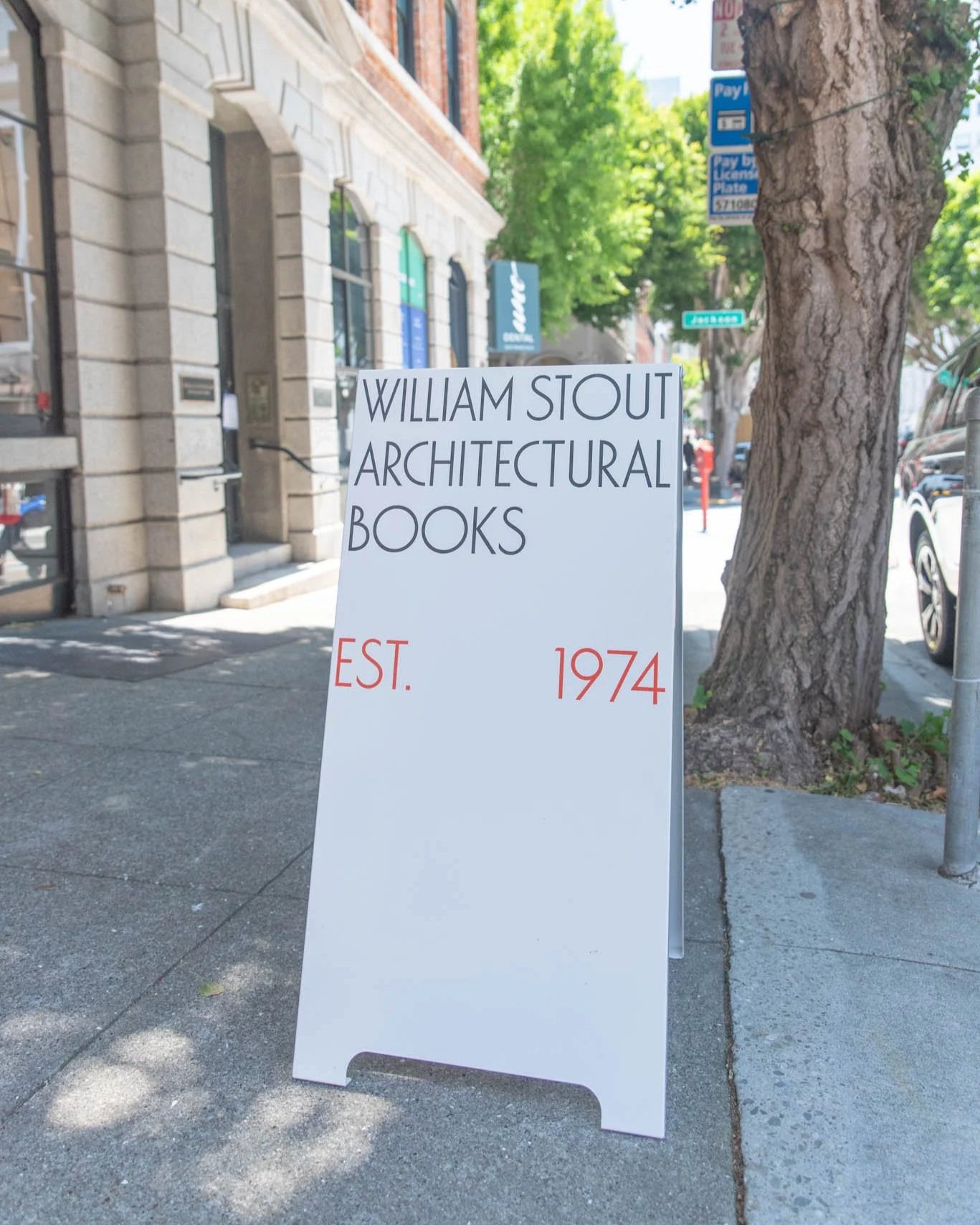
The bookstore's new visual identity by LoveFrom features the custom typeface LF Washington, inspired by the historic storefront signage.
The store's character is now matched by a new visual identity from LoveFrom. Founded by Jony Ive and Marc Newson, the creative collective honored the shop's heritage by drawing inspiration straight from its history.
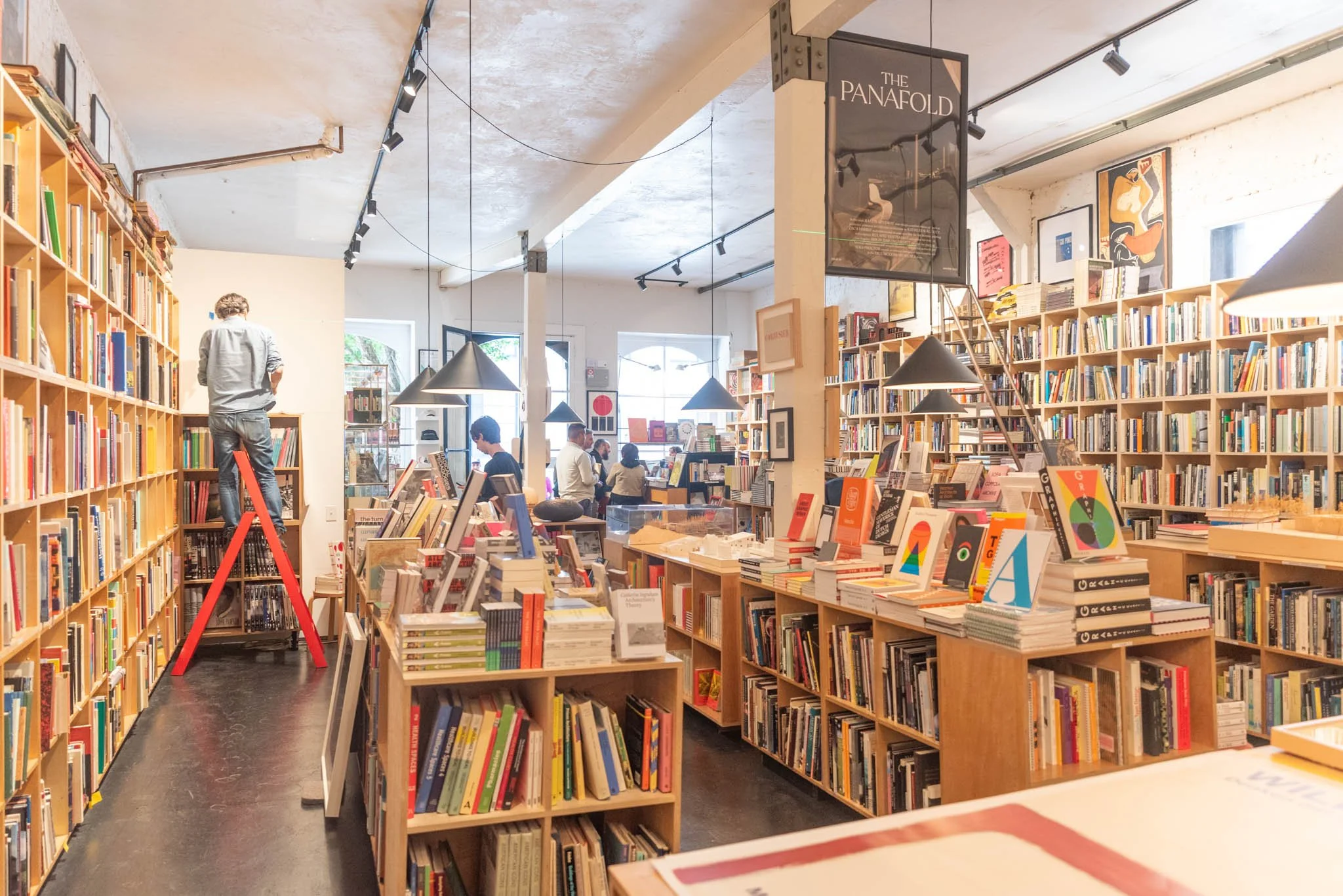
Inside, the bookstore is a welcoming, light-filled space featuring high ceilings, exposed architectural elements, and warm natural wood shelving packed floor-to-ceiling with

The bookshop carries mostly architectural books, covering subjects ranging from modern regional developments to global histories.
The bookshop carries mostly architectural books alongside small a selection of graphic design titles, including Typography by Weingart, The Art of Graphic Design by Bradbury Thompson, Takenobu Igarashi A–Z, and A Designer’s Eye: Paul Rand.
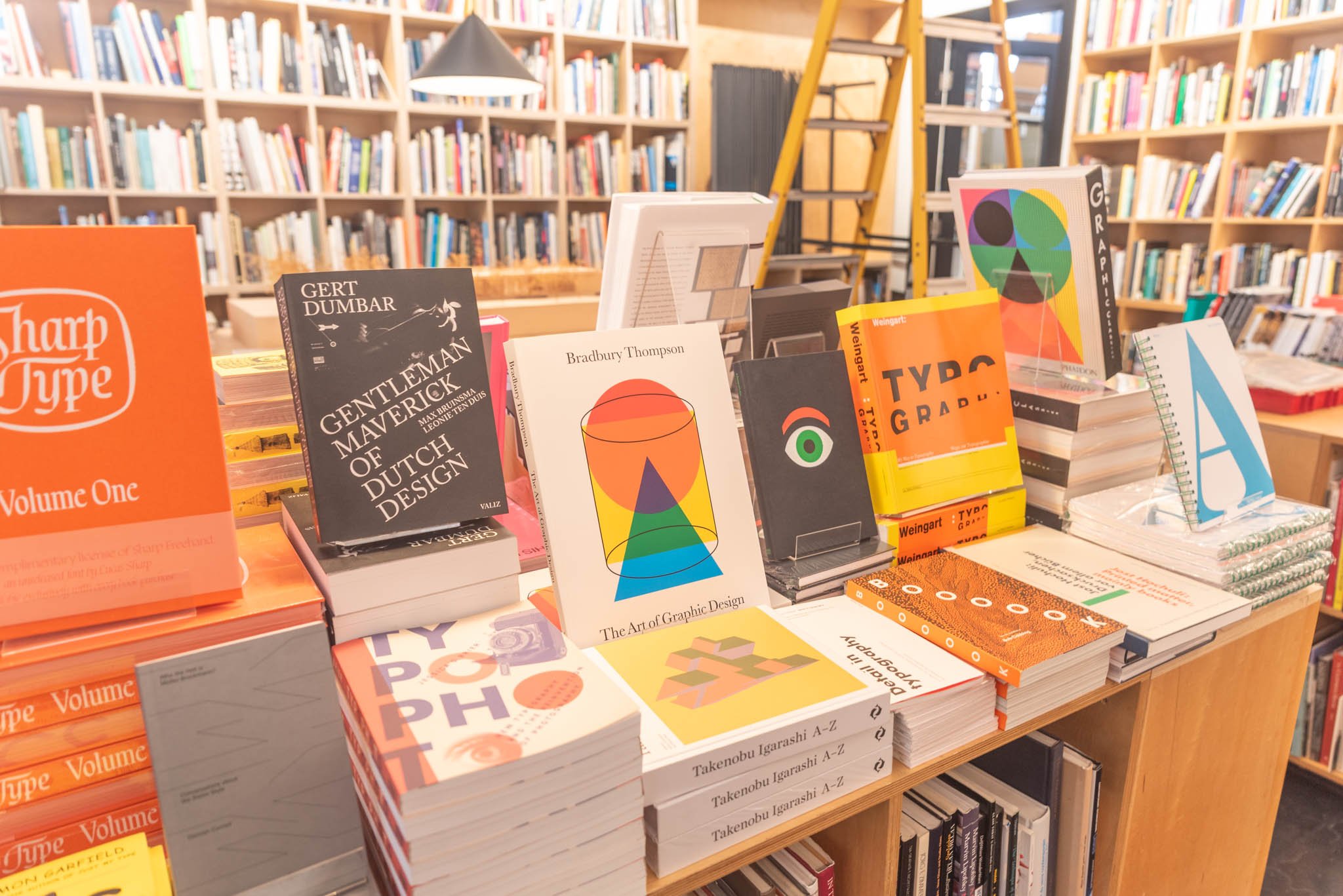
Central display tables feature monographs like Typography by Weingart, The Art of Graphic Design by Bradbury Thompson, Takenobu Igarashi A–Z, and A Designer’s Eye: Paul Rand.
Part of their brand new identity is a set of illustrations by Japanese artist Satoshi Hashimoto, capturing the character of the bookstore. These charming architectural drawings depict the historic building's brick facade, arched display windows, and sloping street setting with remarkable detail and warmth.

An illustration of bookstore founder William Stout by Japanese artist Satoshi Hashimoto. (Image credit: LoveFrom/Satoshi Hashimoto)
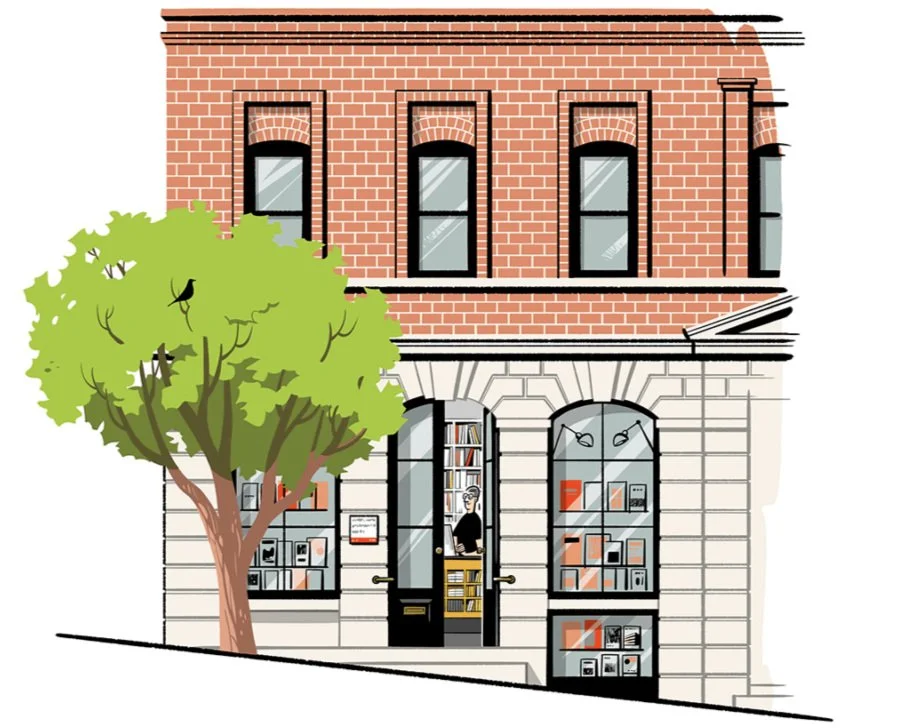
A small illustrated bird nestled in the tree nods to the Eameses' classic design motif, linking the scene to the Eames Institute, which acquired the bookstore in 2022 following William Stout's retirement.
As someone who enjoys collecting design books, visiting Stout was a great opportunity to explore a bookstore dedicated to the creative fields. It's also nice to see a thoughtful rebrand that doesn't feel the need to change everything. LoveFrom managed to preserve what makes Stout recognizable while giving it an identity that can carry the bookstore into its next chapter.